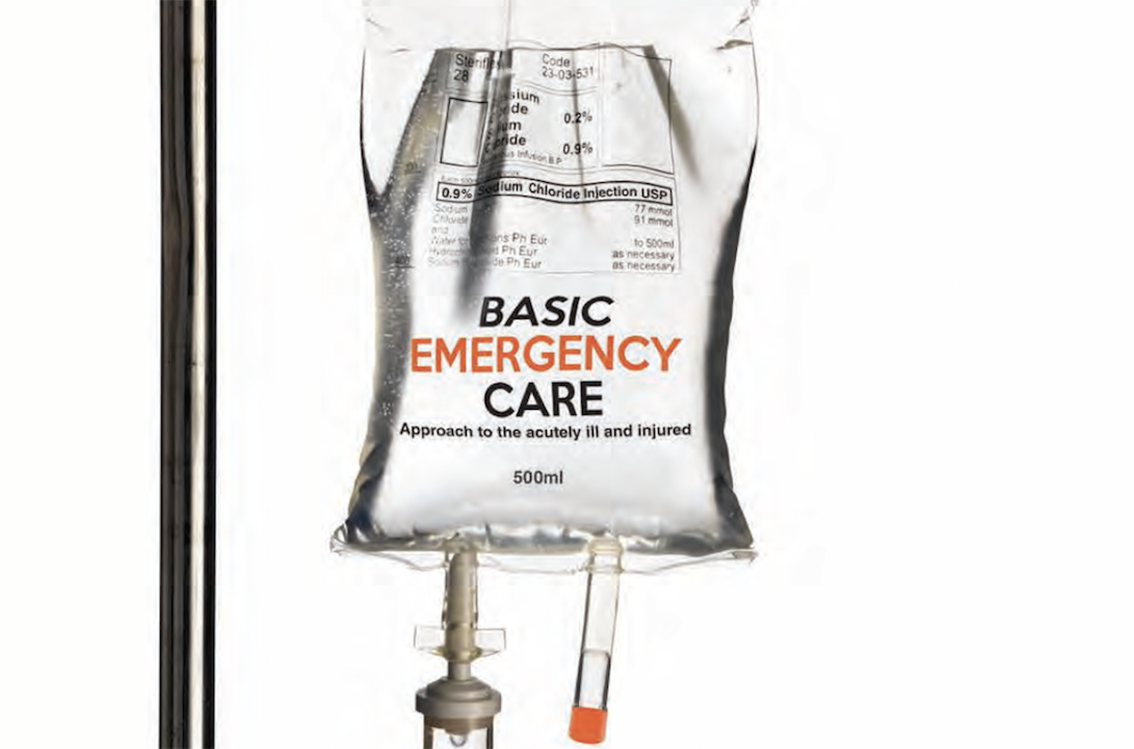
WHO/ICRC Basic Emergency Care (BEC) Course
This open-access learning programme, developed by the WHO, ICRC, and IFEM, is designed for frontline health workers who are the first point of contact for the acutely ill and injured. It teaches a systematic approach to the initial assessment and management of time-sensitive conditions, ensuring that providers in resource-limited settings have the skills to perform life-saving interventions before referral.
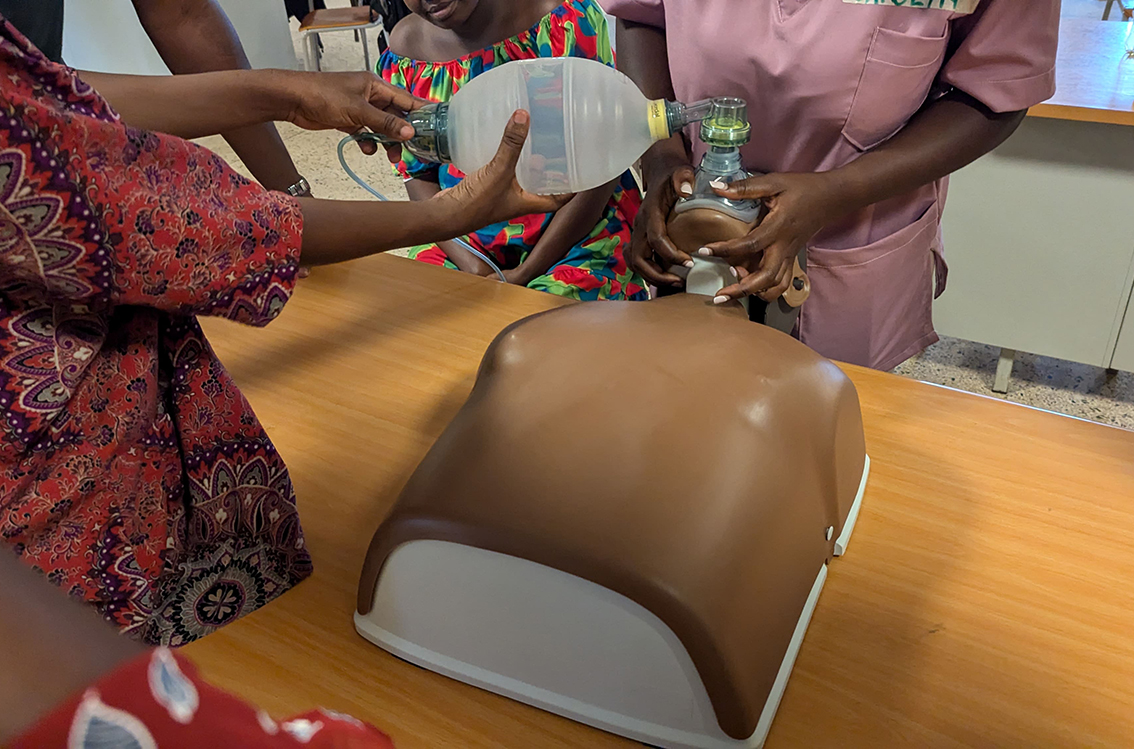
WHO Emergency Care Toolkit (ECT)
Designed specifically for facility-based Emergency Units, this toolkit provides a bundle of essential clinical and operational tools to standardize care. It includes the WHO Medical Emergency Checklist, triage protocols, and standardized clinical forms to ensure systematic management of patients and improve quality of care in high-pressure environments.

WHO Prehospital Toolkit
This comprehensive resource is designed to strengthen Emergency Medical Services (EMS) outside the hospital. It offers operational guidance for ambulance systems, addressing critical gaps in governance, equipment standards, provider training, and communication to ensure safe transport and continuity of care from the scene to the facility.

WHO Emergency Care System Framework
This visual framework and assessment tool assists policymakers and planners in identifying gaps within the national emergency care system. It maps the essential functions required at the scene, during transport, and at the facility, serving as the global standard for building integrated, people-centered emergency care systems.
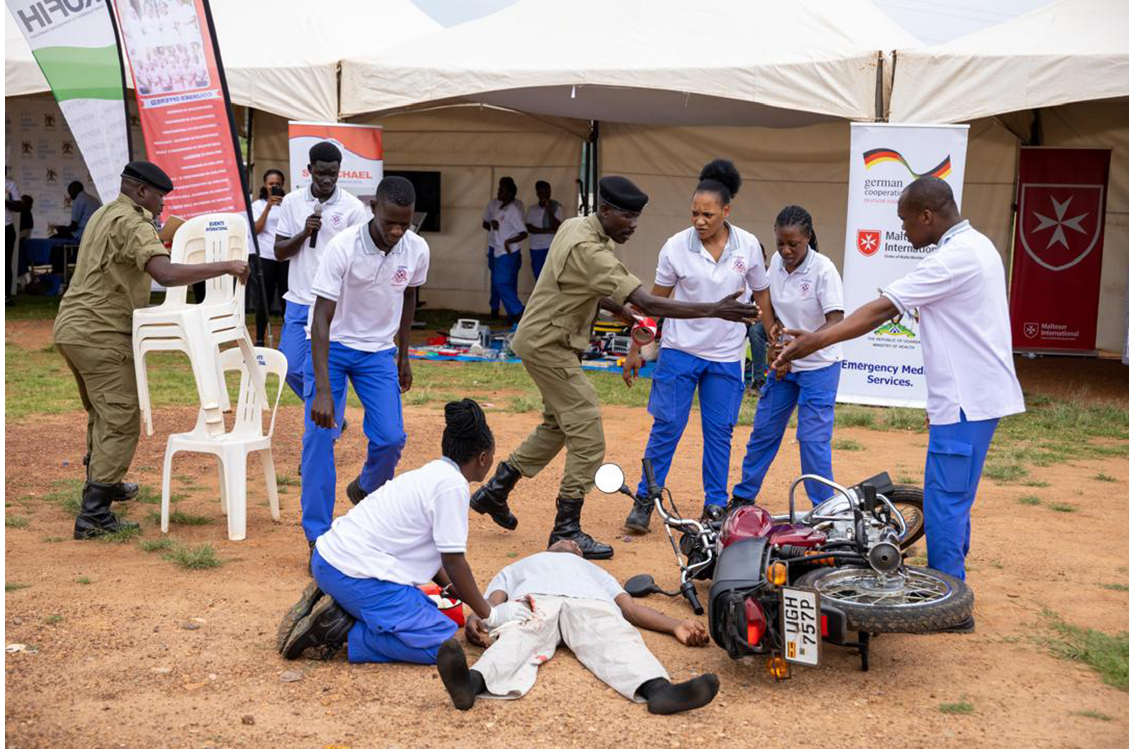
Community First Aid Responders (CFAR) Course
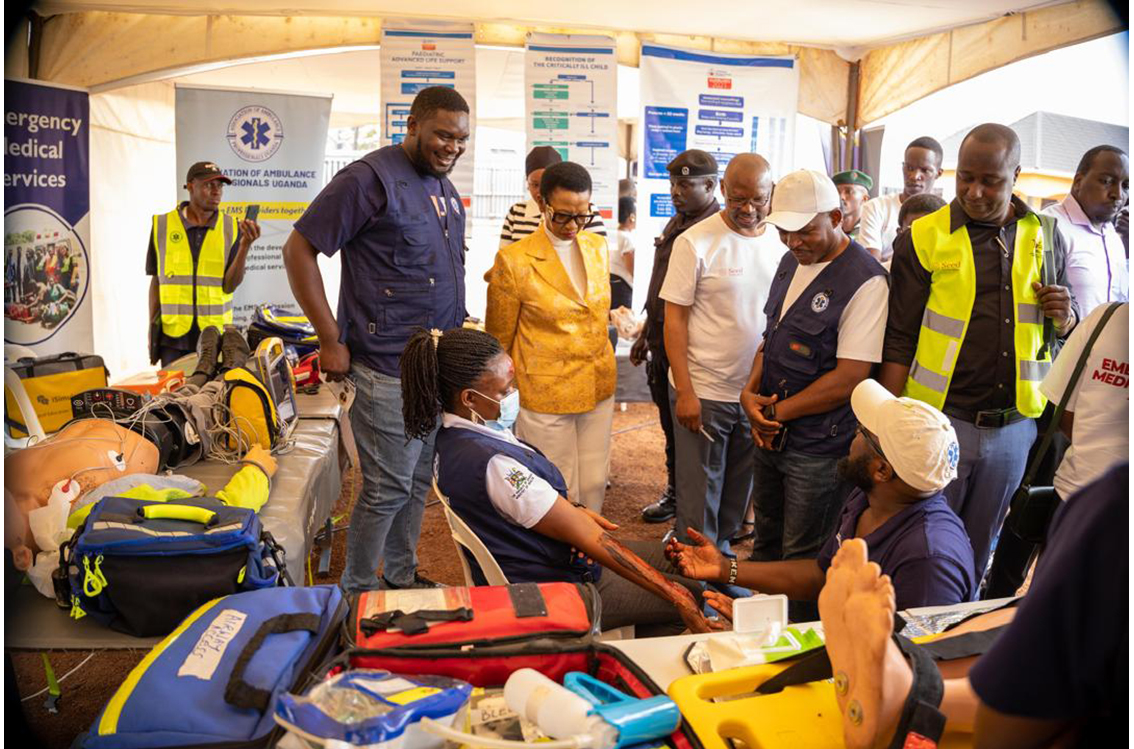
Targeting laypeople such as Village Health Teams (VHTs), police officers, and taxi operators, this training builds a critical mass of bystanders capable of recognizing life-threatening emergencies. It focuses on simple but vital interventions—such as airway management, bleeding control, and fracture immobilization—and teaches the correct protocols for activating the formal ambulance system to ensure patients receive care before reaching a facility
WHO Mass Casualty Management (MCM)
This resource addresses the management of incidents characterized by a sudden surge in patients that overwhelms local medical resources, such as major road crashes or disease outbreaks. It provides guidelines for establishing Incident Command Systems (ICS), hospital surge plans, and standardized triage protocols to ensure facilities can effectively prepare for, respond to, and recover from disaster events.